
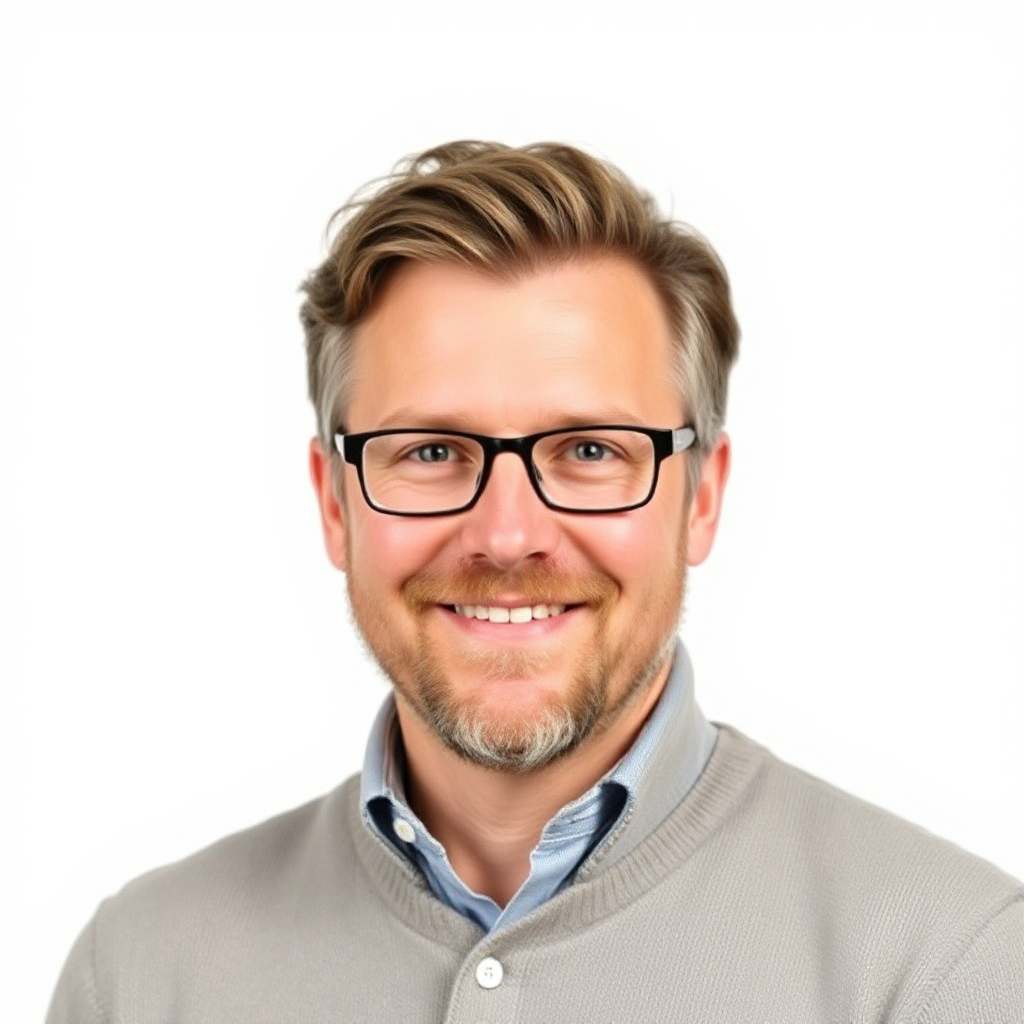
The former US vice-president Dick Cheney, who has died at the age of 84, was considered among the most significant occupants of the vice-presidency in the nation's history. Although countless second-in-commands were confined to peripheral or symbolic functions, Cheney exercised huge influence during the administration of George W Bush, to the point that he was frequently referred to as the "actual president".
Bush resented such a characterisation and claimed the dynamic was more complex. He pointed out that Cheney was respectful, consistently addressing him in official appearances as the President, while he addressed him as Dick. Bush disputed even portrayals of their partnership as a team because it indicated that they were equals. Despite such protestations, Cheney found the easygoing president accommodating on a wide array of policy decisions.
A Aftermath of 9/11
In charge of a group of neo-cons that included defence secretary Donald Rumsfeld and deputy defence secretary Paul Wolfowitz, he strongly advocated the military intervention of Iraq in 2003 in answer to the terrorist strikes on New York and Washington. During of the 9/11 attack, Bush had been participating in a meeting at a educational institution in Florida. While Bush traveled to a secret bunker in Nebraska, Cheney took charge, ordering the downing of any unidentified airplanes approaching the US Capitol.
Cheney said the strikes altered his perspective, causing him to be determined on revenge. In conjunction with other conservative figures, like Rumsfeld and Wolfowitz, he lobbied for a occupation of Afghanistan in an endeavor to apprehend Osama bin Laden. Cheney then pressed fiercely for the invasion of Iraq, though there was insufficient indication of Saddam Hussein playing a role.
Controversial Decisions
He expressed no regrets about the military campaign, in which an approximated 100,000 Iraqis lost their lives, or about the waterboarding of individuals rounded up after 9/11. He told CNN in 2015 that the Iraq invasion effort, which was based on inaccurate information circulated by Cheney, was the correct course of action. "It represented the correct action to do then. I believed it back then and I believe it presently."
But during that period, there were dissenting voices at a high level about the botched execution of Iraq. One of the White House's own special envoys to the Middle East, General Anthony Zinni (2001-03), was dismissed from the position. "I saw, as a baseline," he later wrote "true dereliction, negligence, and recklessness: potentially, deception, ineptitude, and graft."
Wider Perspective
Cheney was not entirely accountable for the Iraq campaign. Even before 9/11, Wolfowitz had advocated for comparable steps. He had written a memorandum setting out situations in which national priorities might be threatened (encompassing "availability of essential resources, primarily Persian Gulf oil"). Wolfowitz had contended that "the US should be positioned to act independently when collective action cannot be orchestrated," specifically citing defense operations against Iraq.
Bush additionally had arrived in the Oval Office vaguely intent on executing what his parent had famously refused to do in 1991; overthrow Saddam. Subsequent to he had been sacked by the administration, the Treasury head Paul O'Neill disclosed how, at the opening session of the National Security Council in January 2001, Bush had stated his intention of diminishing America's participation in the regional tensions and mooted military action against Iraq.
Bush held a personal grudge against Saddam, thinking he had been involved in a conspiracy to murder his father, President George HW Bush, on a journey to Kuwait in 1993. He additionally objected to that one of the biggest establishments in Baghdad had a ground design with a likeness of his father's face that each person had to walk over.
Interrogation Methods
Yet it was Cheney who was among the most outspoken advocating striking Iraq, repeatedly quoting agency briefings that were whether thin or totally deceptive. He backed what the Bush White House indirectly described as "advanced techniques", the employment of simulated drowning and harsh treatment.
Responding to a Senate document in 2014 that found that no actionable intelligence had been obtained through the interrogation methods, Cheney disregarded the conclusions as "loaded with crap". He told Fox News: "We instructed [the CIA] to take steps and create programmes to apprehend the bastards who murdered 3,000 of us on 9/11 and ensure it would not recur. That is precisely what they did and they deserve a lot of praise."
Public Image
Cheney reveled in monikers assigned to him by detractors such as Darth Vader and The Prince of Darkness, and by the notion that he was a sinister influence directing Bush. In the journalist's 2013 publication about the pair, Days of Fire: Bush and Cheney in the White House, Cheney is cited as commenting: "Am I the evil genius in the shadows that operates invisibly come out of his domain? This represents a effective way to work, actually."
Corporate Connections
Controversy over his corporate affiliations accompanied him through his period as vice-president. While he had little experience in commerce but established relationships in security, particularly in Saudi Arabia, he was asked to become part of Halliburton, one of the world's biggest oil and gas companies, in 1995 as chair and CEO.
In 2000 he became Bush's VP candidate for the presidency. Controversially, during the Iraq war, Halliburton was awarded US contracts valued at multiple billions.
It made him rich. His yearly earnings during his time at the company grew from his $258,394 while defence secretary to millions. When he departed in 2000 he had a compensation package totaling over $20m|twenty
